
7 Common Podcast Mistakes to Avoid | Podcast Studio London
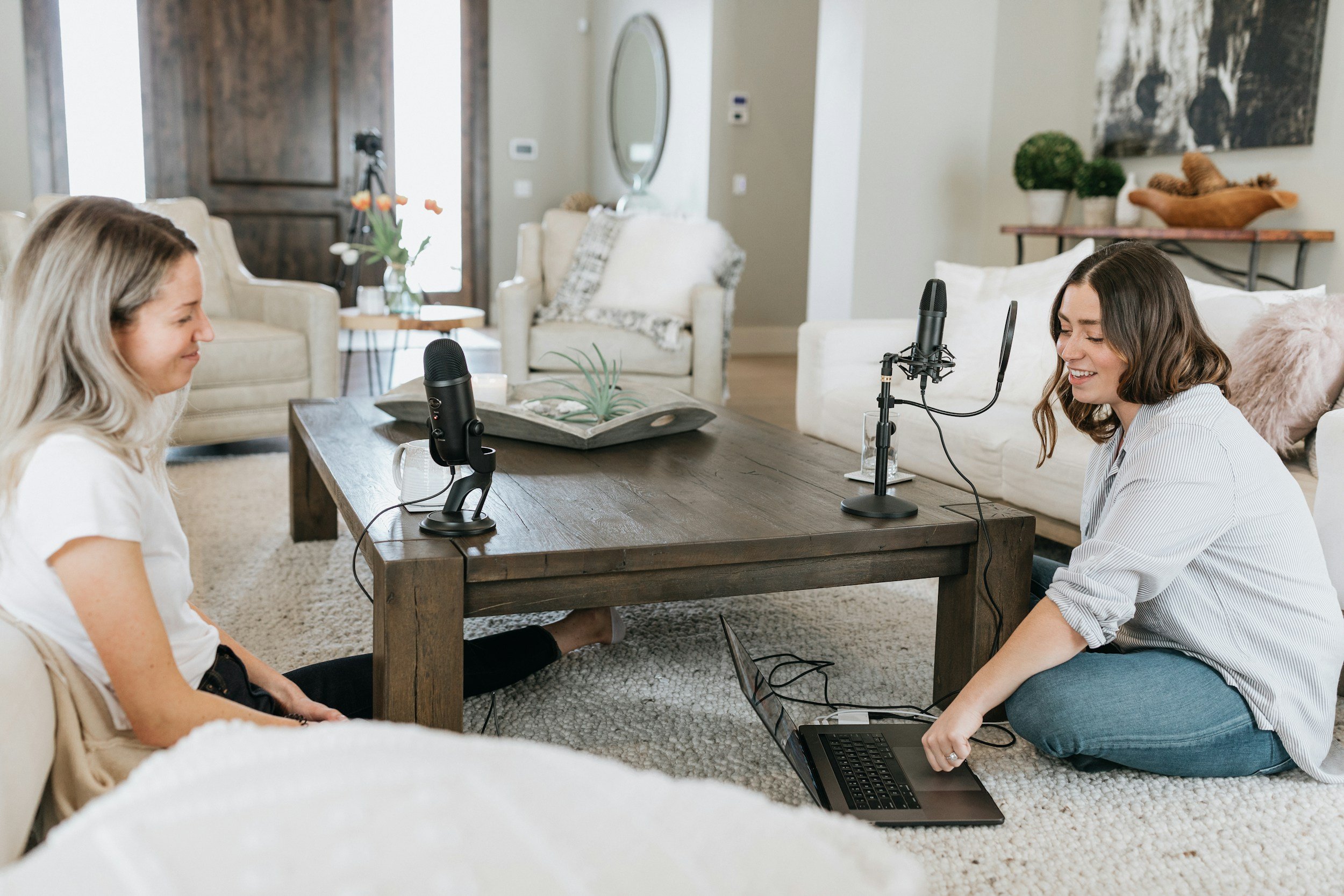
Discover 7 common podcast mistakes beginners make and how to avoid them, with recording tips from a professional podcast studio in London.
Starting a podcast is easier than ever, but producing a podcast that sounds and looks professional takes more than simply switching on a microphone.
From poor room acoustics and background noise to inconsistent publishing and weak episode planning, new podcasters often encounter the same problems during their first few recordings.
Whether you're recording from home or using a professional podcast studio in London, understanding these common podcasting mistakes can help you improve your audio and video quality, create better episodes, and avoid unnecessary frustration.
Here are seven of the most common podcast mistakes beginners make—and how to avoid them.
1. Recording Your Podcast in an Echoey Room
One of the most common mistakes new podcasters make is recording in a room that hasn't been prepared for sound.
Rooms with hard surfaces such as bare walls, wooden floors, windows, and high ceilings can reflect sound around the space. This creates unwanted echo and reverb, making voices sound distant or hollow.
You can improve your recording environment by:
Choosing a smaller, quieter room
Adding rugs, curtains, and other soft furnishings
Installing acoustic panels or sound-absorbing materials
Positioning microphones correctly
Moving away from reflective surfaces
Good podcast audio depends on more than the microphone you're using. The acoustics of the recording environment can have a significant impact on the final result.
This is one reason creators recording important episodes, interviews, and branded podcasts often choose an acoustically treated podcast studio, where the recording environment has been designed specifically for spoken-word audio.
2. Ignoring Background Noise
Background noise can quickly distract listeners and make an otherwise good podcast sound unprofessional.
This can be particularly challenging when recording a podcast in London, where traffic, sirens, trains, construction work, and general city noise can find their way into recordings.
Some background sounds aren't particularly noticeable during a conversation but become much more obvious when you listen back through headphones.
To minimise background noise:
Record during quieter periods
Close windows and doors
Turn off nearby appliances, fans, and air conditioning where practical
Use appropriate directional microphones
Monitor your audio through headphones while recording
Choose a quiet, acoustically treated recording environment
Removing unwanted noise during editing is possible to an extent, but getting a clean recording at the source will usually produce a better result.
3. Using Poor Microphone Technique
Buying an expensive microphone doesn't automatically guarantee professional podcast audio.
Microphone positioning and speaking technique can have just as much impact on the recording.
Common microphone mistakes include:
Sitting too far away from the microphone
Speaking away from the microphone
Changing your distance throughout the recording
Recording with incorrect gain levels
Failing to use appropriate pop protection
Try to maintain a comfortable and consistent distance from the microphone throughout your recording. Your microphone should capture your voice clearly without forcing you into an unnatural speaking position.
If you're recording with guests, make sure everyone's microphone is positioned correctly before you begin. Monitoring each microphone individually can also help identify problems before they affect an entire episode.
4. Starting Without a Clear Podcast Format
Another common mistake is launching a podcast without deciding what the show is actually going to be.
You don't need to script every word, but having a clear format makes episodes easier to record and gives listeners a better idea of what to expect.
Popular podcast formats include:
Guest interviews
Co-hosted conversations
Solo commentary
Educational podcasts
Business podcasts
Storytelling and documentary formats
Video podcast interviews
Before recording, create a simple outline covering the main topics, questions, and approximate structure of the episode.
For interview podcasts, preparing your questions beforehand can make conversations more focused while still leaving enough flexibility for interesting discussions to develop naturally.
5. Underestimating Podcast Editing and Post-Production
Pressing record is only the beginning of the podcast production process.
Editing and post-production can transform a raw recording into a polished episode that's easier and more enjoyable to watch or listen to.
Podcast editing may include:
Removing mistakes and unnecessary pauses
Balancing audio levels
Reducing unwanted background noise
Adding intros, outros, and music
Switching between camera angles
Colour-correcting video footage
Adding titles, graphics, or captions
Creating short-form clips for social media
The process becomes particularly important with video podcasts, where both the audio and visual elements need attention.
Some podcasters handle post-production themselves, while others use professional podcast editing and production services to save time and maintain consistency across episodes.
6. Publishing Episodes Inconsistently
Consistency is one of the biggest challenges when building a podcast.
New podcasters sometimes release several episodes in quick succession before disappearing for weeks or months. This can make it difficult for listeners to know when new content is coming.
Instead, choose a publishing schedule you can realistically maintain.
That might mean releasing an episode weekly, fortnightly, or monthly. There's little benefit in committing to a weekly podcast if you don't have the time or resources to sustain it.
Recording multiple episodes in advance can also help.
For interview-led or business podcasts, booking a longer podcast studio recording session and filming several episodes in one day can create a bank of content ready for editing and publication over the following weeks.
7. Focusing Too Much on Podcast Equipment
It's easy to spend weeks researching microphones, cameras, audio interfaces, lighting, and recording software before you've recorded a single episode.
Professional equipment certainly matters, particularly as your podcast develops, but expensive equipment won't compensate for an unclear concept or an unengaging conversation.
Focus first on:
A strong podcast concept
Interesting topics
Good guests
Clear audio
Consistent episodes
Engaging conversations
You can improve your production setup as your podcast grows.
Creators who want professional audio and video without investing in their own equipment can also use a fully equipped podcast recording studio in London, giving them access to professional microphones, cameras, lighting, and technical support when required.
Should You Record at Home or Use a Podcast Studio?
For many new podcasters, recording at home is a perfectly reasonable place to start.
A quiet room, good microphone, and careful setup can produce impressive results, particularly for audio-only shows.
However, a professional studio can become useful when you're recording important guests, producing branded content, filming multi-camera video podcasts, or simply want greater consistency between episodes.
Using a professional podcast studio in London can give you access to an acoustically treated recording environment, professional audio equipment, 4K video cameras, lighting, and technical support without having to purchase and maintain the equipment yourself.
It also allows you to concentrate on the conversation rather than worrying about cameras, microphones, recording software, or technical problems.
For businesses and creators producing podcasts regularly, this can make the recording process considerably simpler.
Final Thoughts
Starting a podcast involves a learning curve, and almost every podcaster improves their process as they gain experience.
Paying attention to your recording environment, microphone technique, episode structure, editing, and publishing schedule can help you avoid many of the problems that affect new podcasts.
Most importantly, don't allow the pursuit of perfect equipment or production to stop you from creating. Strong ideas, interesting conversations, and consistency remain at the heart of a successful podcast.
When you're ready to take your production quality further, recording in a professional London podcast studio can provide the equipment, acoustics, video capabilities, and technical support needed to create polished audio and video content.
Whether you're recording your first episode, interviewing a guest, or developing a professional video podcast, getting the fundamentals right from the beginning will give your show a much stronger foundation.